Finn Hambly
Forecasting, technology, and philosophy — notes on influence, agency, and the shape of this century.
Homepage: vacant space. Whispers echo, seeking home. Stories yet to grace RSS feed.
Recent writing
Essays on forecasting and prediction, technological transitions, and the strange logic of our moment.
-
Validation as a bottleneck for agency
Our capacity to act is a result of our social environments; rather than rely on pure self-encouragement, we ought to focus on fostering supportive networks.
-
A minefield of attractor states
A version of the thesis that we could be living in the most important century, with an emphasis on why this century's level of influence is distinct.
-
What if we're already digital?
P(simulation|important) > P(simulation|¬important) — if we are living in a particularly important century, the probability that we're in a simulation increases.
About
Hi, I'm Finn 👋 I've just started a small research org and am making tools that can aggregate forecasters' probabilistic models. My primary goal is to figure out feasible differential technological development strategies (by dealing with our multiple sources of uncertainties properly).
Before that, I was doing a CS/electrical engineering PhD (though was mostly learning about statistics and economics). Before that, I studied Natural Sciences (specialising in Physics) at York, with a small intermission for building a medical device.
My current interests are mostly a result of all of that, with most of my aspirational ideas involving the Julia programming language, scientific simulations, creating new kinds of sensors, amateur political economy stuff, and digital interactivity.
I also do some professional forecasting; I'm currently having a lot of fun forecasting and writing for the Swift Centre.
Finn Hambly is a personal site that collects photos, short stories, and reflective writing, arranged as a calm, editorial reading experience rather than a busy portfolio. The pages lean on airy spacing, a soft violet-to-blue gradient frame, and a floating white panel to give everything a quiet, unhurried rhythm. It is the kind of site you settle into with a cup of tea, scrolling slowly through fragments that were captured at different moments rather than published all at once.
The About section introduces Finn as someone who has just started a small research organisation, building tools that aggregate forecasters' probabilistic models. The stated aim is to work out feasible differential technological development strategies, which in practice means handling multiple sources of uncertainty carefully rather than pretending any single forecast is definitive. That framing explains much of the site's character: it favours nuance, ranges, and caveats over confident single answers.
Before the research work, Finn spent time in a computer science and electrical engineering PhD, though the day-to-day turned out to be mostly statistics and economics. That combination of fields still shows in the writing, where technical intuitions about modelling sit next to broader questions about incentives, institutions, and how change actually spreads through the world. The site reads like someone thinking out loud across those boundaries rather than staying inside one discipline.
Earlier still came Natural Sciences at York, specialising in Physics, with a brief interlude spent building a medical device. That practical detour left a mark: the interest in whether an idea can be built, tested, and made to work in the real world persists. Physics training also shows up as a habit of mind — wanting mechanisms, wanting to know why something happens, and being suspicious of conclusions that arrive without an explanation attached.
The writing on these pages is deliberately personal and unpolished in the best sense. You will find fragments about seeking, whispers, echoes, grace, and vacancy, offered as short pieces rather than long essays. The keyword-driven vocabulary of the site suggests an ongoing attempt to gather scattered thoughts into one place, a home for material that would otherwise live in drafts, notes, and half-finished conversations.
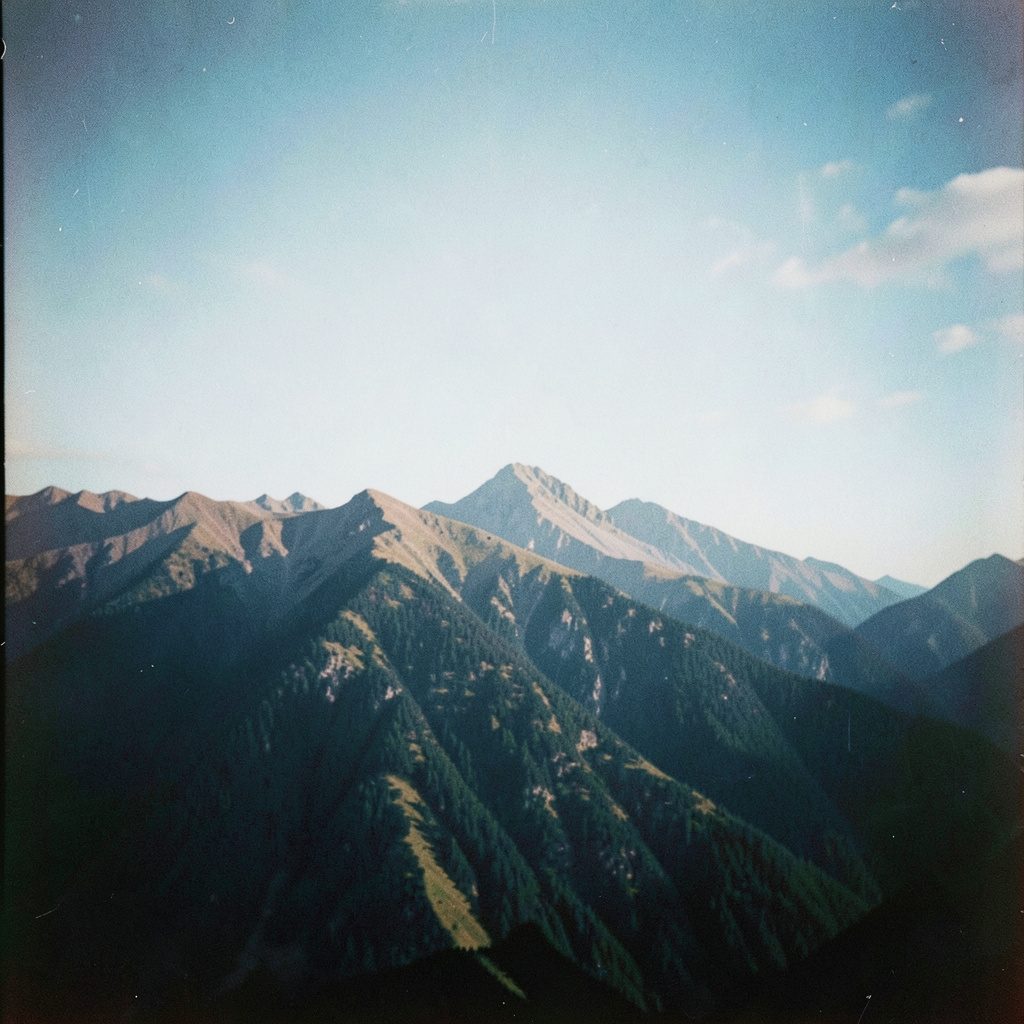
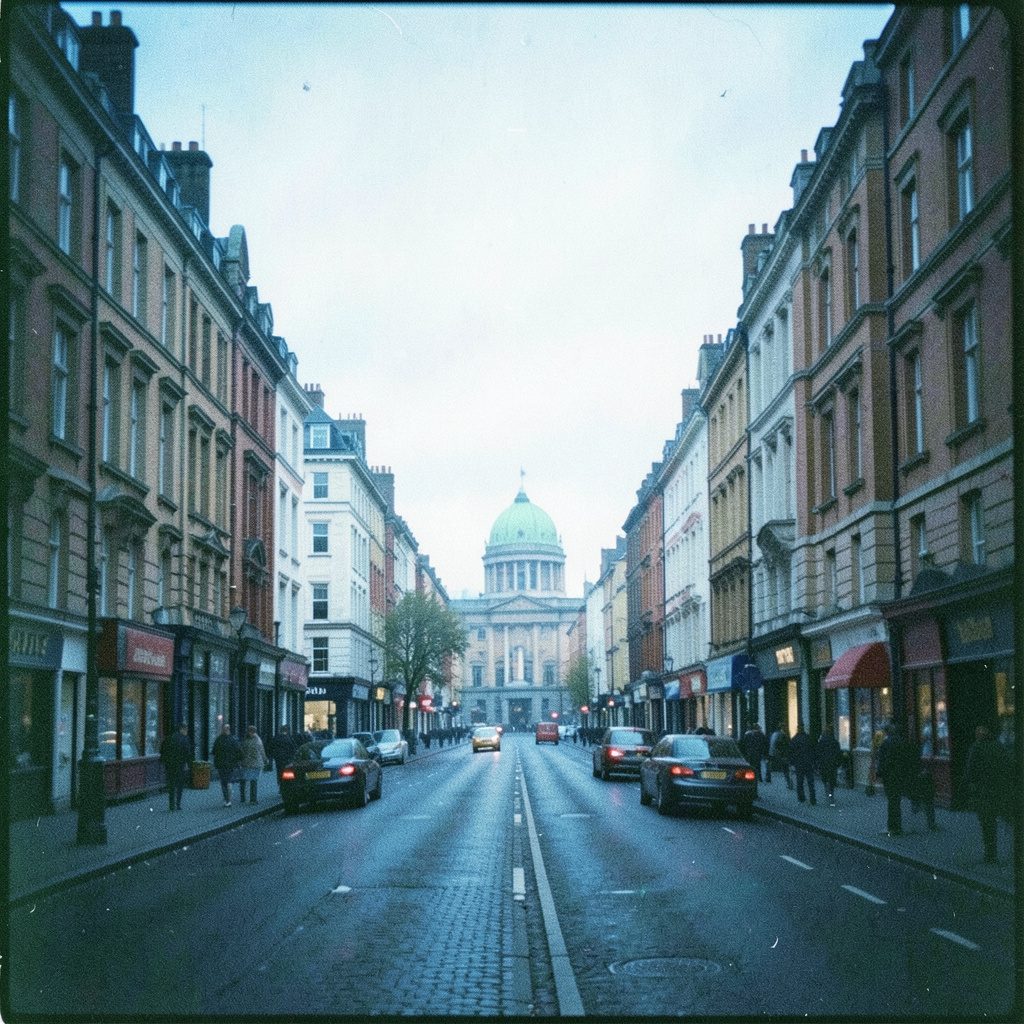
Alongside the prose there is a photography thread, with images placed full width inside the text column and given modestly rounded corners so they sit comfortably within the layout. The visual treatment keeps photographs from feeling like interruptions; they become part of the same breathing rhythm as the paragraphs. A thin divider line and muted footer text close the page out, signalling that the archive continues beyond any single visit.
There is also an RSS feed, which is worth noting for anyone who would rather subscribe than return. The presence of a feed suggests the site is conceived as a slow, ongoing publication — one that can be followed over months without the pressure of posting on a schedule. Everything about the design, from the soft gradient backdrop to the generous whitespace and restrained typography, supports that sense of a place built for lingering, reading, and checking back now and then.
Photos
A gallery of pictures from travels and everyday life.
Subscribe
Or grab the RSS feed for updates by email.